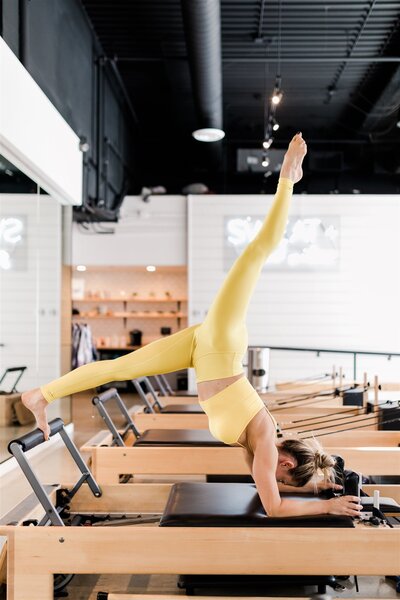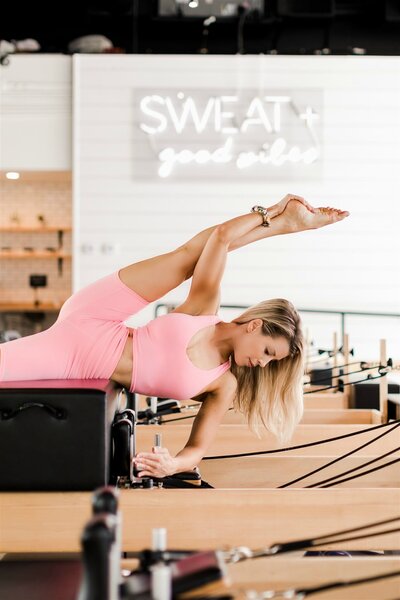



You’ve mastered your roll-up, your plank is solid, and you’re showing up consistently to class. But if you’re fueling your body poorly, you’re leaving performance on the table. Nutrition isn’t just about weight management or general health—it directly affects how you feel during your Pilates session, how well you recover, and how quickly you see results. Let’s talk about what to eat before and after Pilates, and why it matters more than you might think.

Why Pre-Pilates Nutrition Actually Matters
Pilates isn’t a casual stretching session—it’s a demanding workout that requires sustained core engagement, muscular endurance, and mental focus. The right pre-workout nutrition ensures:
Sustained Energy Without Crashes: You need fuel that provides steady energy throughout your session, not a spike and crash that leaves you shaky halfway through.
Optimal Muscle Function: Properly fueled muscles contract more efficiently, fatigue less quickly, and recover faster. This translates to better form and more effective training.
Enhanced Mental Focus: Pilates requires concentration and mind-body connection. Low blood sugar or dehydration compromises your ability to stay present and execute movements precisely.
Reduced Risk of Cramping or Nausea: Eating too much, too little, or the wrong things before Pilates can lead to discomfort that derails your entire session.
The Hydration Foundation
Before we discuss food, let’s establish the non-negotiable: hydration. Your muscles are roughly 75% water, and even mild dehydration (as little as 2% body weight loss from fluids) impairs strength, endurance, and coordination.
Pre-Pilates Hydration: Drink 16-20 ounces of water 2-3 hours before class, then another 8 ounces 15-20 minutes before you start. This gives your body time to absorb the fluid and eliminates the need to constantly run to the bathroom mid-session.
During Class: Small sips as needed, especially during longer sessions or heated classes. Don’t chug water—it’ll slosh around uncomfortably.
Post-Pilates Rehydration: Drink 16-24 ounces of water for every pound of body weight lost during exercise. If you’re not weighing yourself, aim for at least 16-20 ounces within an hour of finishing.
If you’re doing back-to-back classes or exercising in heat, consider adding electrolytes. But for a standard 50-minute session, plain water is sufficient.
What to Eat Before Pilates (And When)
The timing and composition of your pre-Pilates meal matter. Here’s what works:
2-3 Hours Before Class: A Balanced Small Meal
This is ideal if you’re doing an evening class after work or a late morning session. You want easily digestible carbohydrates, moderate protein, and minimal fat.
Good Options:
- Oatmeal with berries and a tablespoon of almond butter
- Whole grain toast with avocado and a poached egg
- Greek yogurt with granola and sliced banana
- Brown rice bowl with grilled chicken and steamed vegetables
- Smoothie with banana, spinach, protein powder, and almond milk
Why This Works: Complex carbohydrates provide sustained glucose for energy. Moderate protein supports muscle function without sitting heavy in your stomach. The 2-3 hour window allows for digestion so you’re not exercising on a full stomach.
45-60 Minutes Before Class: A Light Snack
If you don’t have 2-3 hours, or you need a small energy boost before an early morning class:
Good Options:
- Half a banana with a small handful of almonds
- Rice cake with a thin layer of nut butter
- Apple slices with a tablespoon of peanut butter
- Small smoothie (8-10 ounces) with fruit and protein powder
- Energy balls made with dates, nuts, and oats
Why This Works: These options provide quick-digesting carbohydrates for immediate energy without overloading your digestive system. The small amount of protein and healthy fat helps sustain you through your session.
15-20 Minutes Before Class: Emergency Options Only
If you’re genuinely running on empty and need something immediately:
Options:
- Half a banana
- A few dates
- Small handful of pretzels
- Sports drink or coconut water
Why This Works: Simple carbohydrates that digest quickly provide immediate glucose. This isn’t ideal, but it’s better than exercising while hypoglycemic.
What to Avoid Before Pilates
High-Fat Foods: Avocado toast loaded with oil, cream-based foods, fried items, or large portions of nuts sit heavy and can cause digestive discomfort during exercises that compress your abdomen.
High-Fiber Foods in Large Quantities: A massive salad or beans right before class can lead to bloating and gas—not ideal when you’re doing roll-overs and compression exercises.
Large Portions: Even healthy food in excessive amounts will make you uncomfortable. Keep pre-workout meals moderate in size.
Simple Sugars Alone: A candy bar or sugary coffee drink will spike your blood sugar, then crash it mid-session. You’ll feel shaky and fatigued.
Excessive Caffeine: While moderate caffeine can enhance performance, too much causes jitters and anxiety that interfere with the controlled, mindful nature of Pilates.
What to Eat After Pilates (Recovery Nutrition)
Post-workout nutrition serves two purposes: replenishing energy stores and providing building blocks for muscle repair. The window for optimal nutrient absorption is within 30-60 minutes after finishing your session.
The Ideal Post-Pilates Recovery Meal
Protein + Carbohydrates + Hydration
Protein (15-25 grams): Essential for muscle repair and recovery. Your muscles undergo microtrauma during exercise, and protein provides the amino acids needed to rebuild stronger.
Good Sources:
- Greek yogurt (15-20g protein per cup)
- Protein smoothie with whey or plant-based protein powder
- Grilled chicken or fish (3-4 ounces)
- Eggs (2-3 eggs provide about 18g protein)
- Cottage cheese
- Edamame or tofu for plant-based options
Carbohydrates: Pilates depletes your glycogen stores—the stored form of glucose in your muscles. Replenishing these ensures you recover fully and have energy for your next session.
Good Sources:
- Sweet potato
- Quinoa or brown rice
- Whole grain bread or wrap
- Fresh fruit (banana, berries, apple)
- Oatmeal
Post-Workout Meal Ideas:
- Protein smoothie with banana, berries, spinach, protein powder, and almond milk
- Greek yogurt bowl with granola, berries, and honey
- Whole grain wrap with grilled chicken, hummus, and vegetables
- Salmon with quinoa and roasted vegetables
- Eggs on whole grain toast with avocado and tomato
- Cottage cheese with fresh fruit and a handful of nuts
Anti-Inflammatory Foods for Enhanced Recovery
Pilates creates muscular stress that can lead to inflammation. While some inflammation is necessary for adaptation, excessive inflammation slows recovery. Incorporate these foods:
Omega-3 Fatty Acids: Salmon, sardines, walnuts, chia seeds, and flaxseed reduce inflammation and support joint health.
Antioxidant-Rich Foods: Berries (blueberries, strawberries, blackberries), dark leafy greens (spinach, kale), and colorful vegetables neutralize free radicals produced during exercise.
Tart Cherry Juice: Research shows tart cherry juice can reduce muscle soreness and inflammation. A small glass post-workout may speed recovery.
Turmeric and Ginger: Both have powerful anti-inflammatory properties. Add them to smoothies, meals, or drink as tea.
Special Considerations for Different Goals
For Weight Loss
If you’re using Pilates as part of a weight loss strategy, you still need adequate nutrition to fuel your workouts. Undereating compromises your performance and slows your metabolism.
Strategy: Focus on nutrient-dense, lower-calorie options. Prioritize protein to maintain muscle mass during a caloric deficit. Don’t skip post-workout nutrition—it’s essential for recovery and prevents excessive hunger later.
For Muscle Building
While Pilates alone won’t create significant muscle hypertrophy, combined with resistance training it supports lean muscle development.
Strategy: Increase protein intake to 0.7-1 gram per pound of body weight daily. Ensure adequate carbohydrates to fuel workouts and recovery. Don’t fear healthy fats—they support hormone production necessary for muscle growth.
For Energy and Performance
If your primary goal is to feel energized and perform optimally:
Strategy: Focus on steady energy from complex carbohydrates, adequate protein throughout the day, and consistent hydration. Don’t restrict calories excessively—this compromises energy and focus.
Common Nutrition Mistakes Pilates Practitioners Make
Working Out Completely Fasted: While some people feel fine exercising on an empty stomach, many experience low energy, poor concentration, and suboptimal performance. If you prefer morning fasted workouts, at least have something small like half a banana.
Overdoing Pre-Workout Nutrition: A huge meal before Pilates is uncomfortable. You’ll feel sluggish, potentially nauseous, and unable to engage your core fully through compression exercises.
Skipping Post-Workout Nutrition: “I’m not hungry” or “I’m trying to lose weight” aren’t good reasons to skip recovery nutrition. Your muscles need fuel to repair, and proper post-workout nutrition actually supports better body composition.
Not Adjusting for Intensity: A gentle mat class requires less fuel than a challenging reformer session or back-to-back classes. Adjust your nutrition based on actual energy expenditure.
Dehydration: This bears repeating because it’s so common. Many people walk around chronically under-hydrated, which absolutely affects their Pilates performance.
Practical Tips for Real Life
Prep Ahead: Make overnight oats, portion out snacks, prep smoothie ingredients in bags—whatever removes barriers to eating well around your Pilates schedule.
Listen to Your Body: These are guidelines, not rules. You might feel great with different timing or food combinations. Pay attention to how you feel during and after workouts, and adjust accordingly.
Keep It Simple: You don’t need expensive supplements or complicated meal prep. Whole foods, proper timing, and adequate hydration cover 95% of what matters.
Plan for Your Schedule: If you take early morning classes, prepare something the night before. Evening classes? Pack a snack to have mid-afternoon so you’re fueled but not full.
Don’t Stress Perfection: One less-than-ideal meal won’t derail your progress. Aim for consistency over perfection.
The Bottom Line
Proper nutrition enhances your Pilates practice, improves your results, and helps you feel better during and after workouts. The fundamentals are straightforward: stay hydrated, fuel appropriately before your session, and prioritize recovery nutrition afterward.
Your body is doing hard work in Pilates—give it the fuel it needs to perform optimally and recover fully. The difference in how you feel and the results you achieve will convince you that nutrition matters just as much as the exercises themselves.
Now go drink some water and plan your next post-Pilates meal. Your body will thank you.