


In the pursuit of a healthy and fit body, people often focus on exercise, diet, and sleep, but there is one often-overlooked practice that can significantly contribute to overall well-being: foam rolling. This simple yet powerful technique involves using a cylindrical foam roller to massage and release tension in muscles and fascia. While it might appear as a trendy fitness craze, the science behind foam rolling reveals that it offers numerous benefits for the health of the body. In this article, we will explore why foam rolling is so important, backed by scientific facts and evidence.
Understanding Foam Rolling
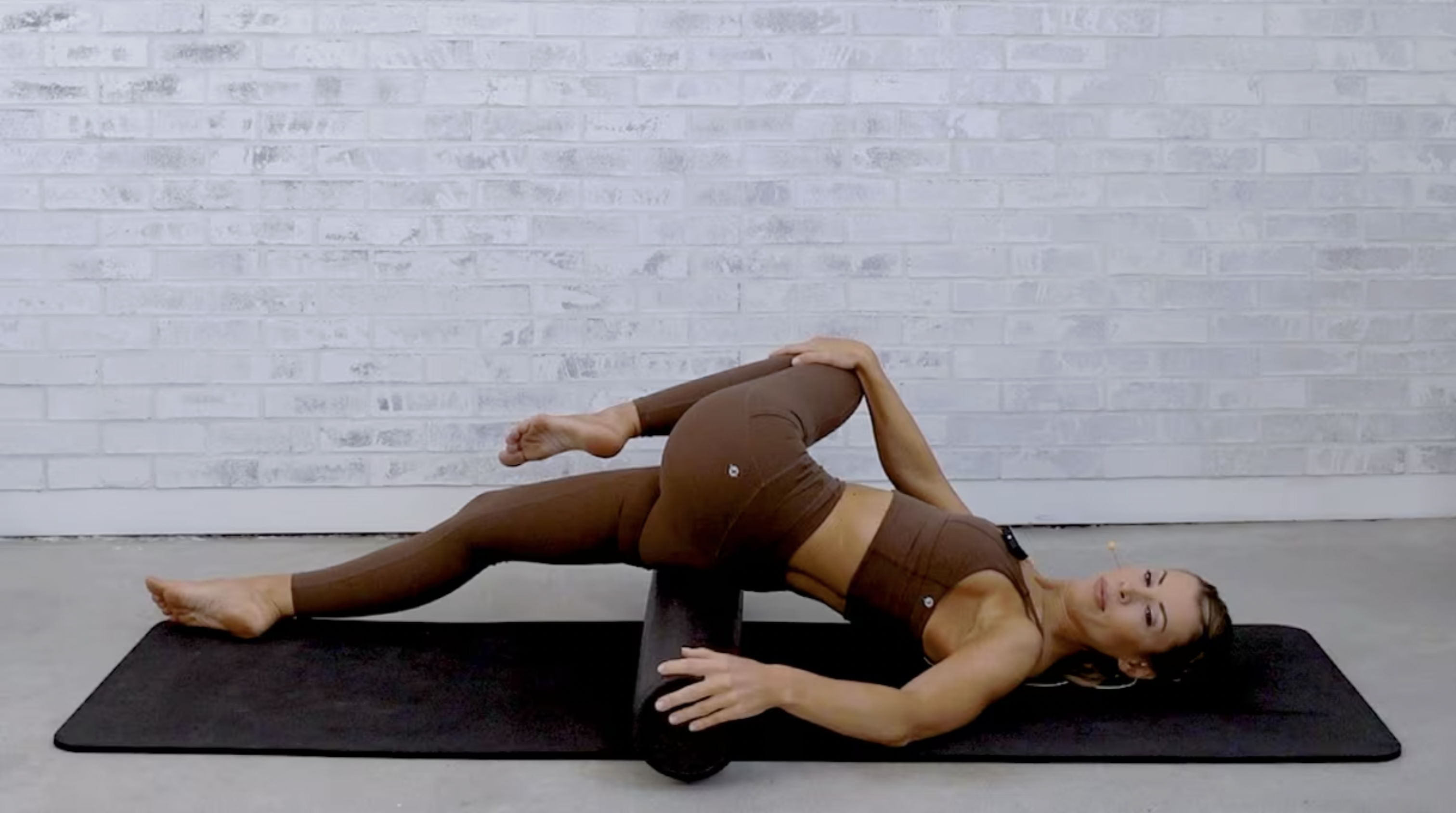
Before delving into the reasons why foam rolling is important, let’s first understand what it entails. Foam rolling is a self-myofascial release technique that involves applying pressure to specific muscle groups using a foam roller. The aim is to alleviate muscle knots, reduce muscle soreness, and improve overall muscle and fascia function.
Enhanced Muscle Recovery
One of the primary reasons why foam rolling is crucial for the health of the body is its ability to aid in muscle recovery. After an intense workout, muscles can become tight and sore due to the accumulation of lactic acid and the formation of knots in the muscle fibers. Foam rolling helps alleviate this soreness by increasing blood flow to the muscles, facilitating the removal of metabolic waste, and reducing muscle inflammation.
A study published in the “Journal of Athletic Training” found that individuals who incorporated foam rolling into their post-exercise routine experienced reduced muscle soreness and improved muscle performance compared to those who did not foam roll.
Improved Flexibility and Range of Motion
Maintaining good flexibility and a wide range of motion in the joints is essential for overall body health. Tight muscles and fascia can restrict joint mobility and lead to issues such as muscle imbalances and poor posture. Foam rolling can significantly improve flexibility and range of motion by breaking down adhesions and scar tissue in the muscles and fascia.
Research published in the “Journal of Strength and Conditioning Research” showed that foam rolling led to a significant increase in hamstring flexibility compared to static stretching alone. This demonstrates the effectiveness of foam rolling in enhancing flexibility and range of motion.
Injury Prevention
Foam rolling can be a valuable tool in injury prevention. By addressing muscular imbalances, reducing tension in overused muscles, and promoting better movement patterns, foam rolling helps decrease the risk of injuries during physical activities.
A study in the “International Journal of Sports Physical Therapy” indicated that foam rolling reduced muscle tightness and improved hip range of motion, reducing the likelihood of hip injuries in athletes.
Pain Reduction
Chronic pain conditions, such as lower back pain and IT band syndrome, can significantly impact one’s quality of life. Foam rolling can be an effective non-pharmacological approach to pain management. It helps release trigger points and tightness in muscles, providing relief from pain.
A meta-analysis published in the “Journal of Sports Rehabilitation” concluded that foam rolling was effective in reducing pain and improving function in individuals with myofascial pain syndrome.
Stress Reduction
In today’s fast-paced world, stress is a common concern that can negatively affect overall health. Foam rolling not only benefits the muscles and fascia but also promotes relaxation and stress reduction. The rhythmic rolling motion can have a soothing effect on the nervous system, helping to alleviate stress and anxiety.
The Scientific Mechanisms Behind Foam Rolling
To fully grasp why foam rolling is essential for the health of the body, it’s essential to delve into the scientific mechanisms that underlie its benefits.
Myofascial Release
The fascia is a connective tissue that surrounds muscles and organs, providing structural support. Over time, fascia can become tight and restrictive, limiting muscle function and causing discomfort. Foam rolling applies pressure to the fascia, encouraging it to release and return to its natural, more flexible state. This myofascial release is crucial for overall mobility and muscle health.
Increased Blood Flow
Foam rolling increases blood flow to the muscles being targeted. This enhanced circulation brings oxygen and nutrients to the muscle tissues while removing metabolic waste products like lactic acid. Improved blood flow accelerates the recovery process and reduces muscle soreness.
Neuromuscular Benefits
Foam rolling also has neuromuscular benefits. By stimulating sensory receptors in the muscles and fascia, it helps to relax muscle tone and reduce muscular stiffness. This can lead to better muscle activation and improved movement patterns.
Incorporating Foam Rolling into Your Routine
Now that we understand the science and benefits of foam rolling, let’s discuss how to incorporate it into your daily routine for maximum health benefits.
- Pre-Workout: Foam rolling before a workout can help prepare your muscles for exercise by increasing blood flow and improving flexibility. Spend a few minutes targeting the major muscle groups you plan to work during your workout.
- Post-Workout: After your workout, foam rolling can aid in muscle recovery. Focus on the muscles that feel tight or sore to reduce post-exercise discomfort.
- Regular Maintenance: Consider incorporating foam rolling into your daily routine, especially if you lead a sedentary lifestyle or have a desk job. Regular foam rolling can prevent muscle tightness and improve overall mobility.
- Specific Targeting: Pay attention to areas of your body that need extra care. If you have a history of injuries or chronic pain, target those areas regularly for relief.
- Consult a Professional: If you’re new to foam rolling or have specific health concerns, it’s advisable to consult a physical therapist or fitness professional who can guide you in proper techniques and routines.
In conclusion, the science behind foam rolling provides compelling evidence for its importance in maintaining the health of the body. From enhancing muscle recovery and flexibility to preventing injuries and reducing pain, foam rolling offers a myriad of benefits. By understanding the mechanisms and incorporating foam rolling into your daily routine, you can unlock the secrets to a healthier and more resilient body. So, don’t let that foam roller collect dust in the corner of your room; instead, make it an integral part of your journey to overall well-being. Your body will thank you for it.