

If you’ve been curious about Pilates but aren’t sure where to begin, you’re in the right place. This isn’t another fitness trend that’ll disappear by next season—Pilates has been transforming bodies and minds for over a century because it actually works. Whether you’re coming from a sedentary lifestyle or you’re an athlete looking to enhance performance, Pilates offers something genuinely valuable: a method that builds strength from the inside out while teaching you to move with precision and awareness.
Let’s cut through the noise and get you started with everything you need to know.
What Is Pilates? (Beyond the Studio Marketing)
Pilates is a low-impact exercise system that strengthens your core, improves flexibility, and enhances overall body control. Created by Joseph Pilates in the early 20th century, the method combines elements of yoga, martial arts, and rehabilitative exercise into a comprehensive system focused on quality of movement.
Unlike high-intensity workouts that prioritize how much you can do, Pilates emphasizes how well you can do it. Every movement is controlled, intentional, and coordinated with your breath. This mind-body connection isn’t just wellness speak—it’s the foundation of how Pilates creates lasting change in your body.
The practice works for everyone from complete beginners to professional athletes because it’s entirely scalable. You’re not competing with anyone else in class; you’re learning to move your body with greater intelligence and efficiency.
The Real Benefits of Pilates for Beginners
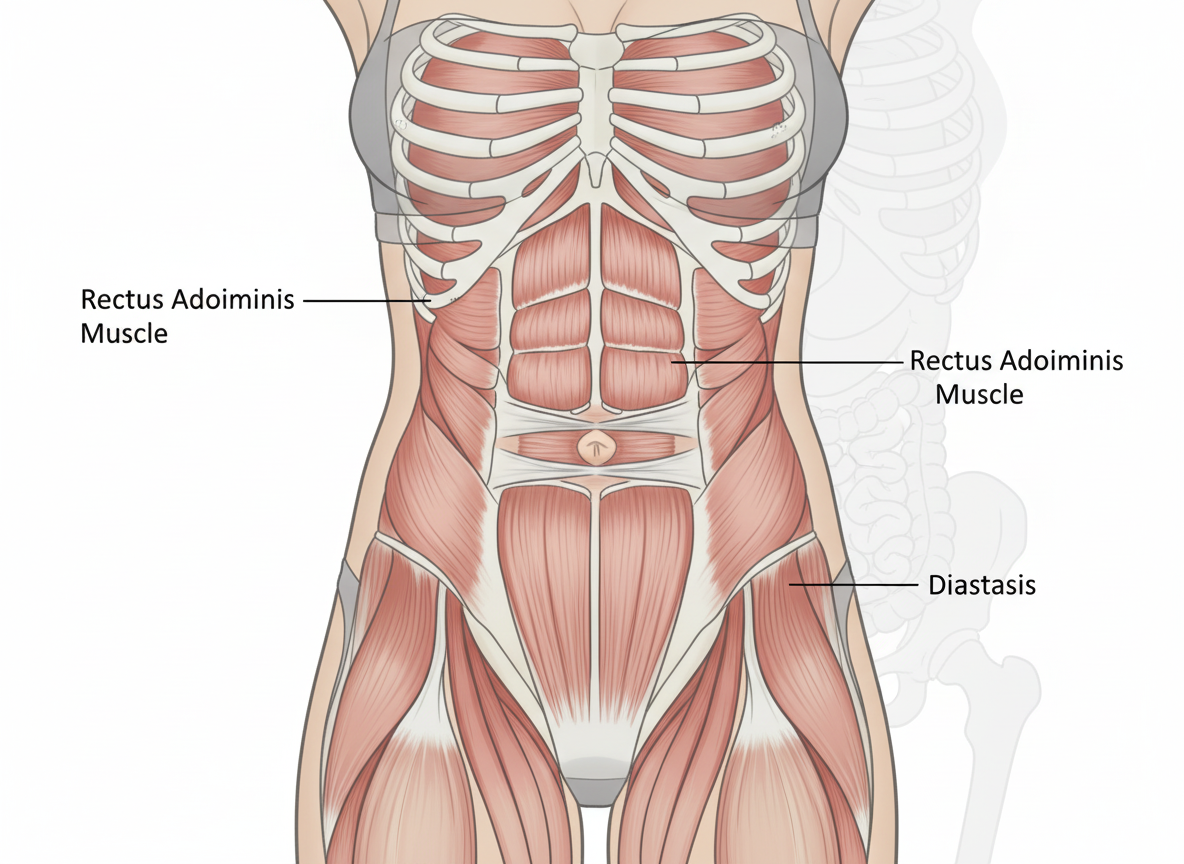
Core Strength That Actually Functions: Pilates targets your deep core stabilizers—the transverse abdominis, multifidus, and pelvic floor. These muscles support your spine and create a foundation for all movement. A strong core from Pilates translates to better posture, reduced back pain, and improved performance in every other activity.
Improved Flexibility and Mobility: Pilates incorporates dynamic stretching that increases your range of motion while building strength through that range. This is more functional than passive stretching alone because you’re developing control, not just bendiness.
Better Posture and Alignment: Regular Pilates practice increases your awareness of how you hold and move your body. This carries over into daily life—you’ll catch yourself slouching and naturally correct it. Better alignment means less strain on your joints and muscles.
Reduced Stress and Mental Clarity: The focused attention required in Pilates gives your mind a break from constant distraction. The breathing techniques activate your parasympathetic nervous system, which reduces cortisol and promotes relaxation. You’ll leave class feeling both energized and centered.
Increased Muscle Tone and Strength: Pilates builds lean muscle through controlled resistance work. You won’t bulk up, but you will develop defined, functional strength throughout your entire body.
Injury Prevention and Rehabilitation: Physical therapists frequently prescribe Pilates because it strengthens weak areas, improves movement patterns, and reduces compensation that leads to injury. It’s gentle enough for recovery but challenging enough to create real change.
Enhanced Balance and Coordination: Pilates exercises challenge your proprioception—your body’s sense of where it is in space. Better balance means fewer falls and injuries, especially valuable as we age.
Getting Started: What Beginners Need to Know
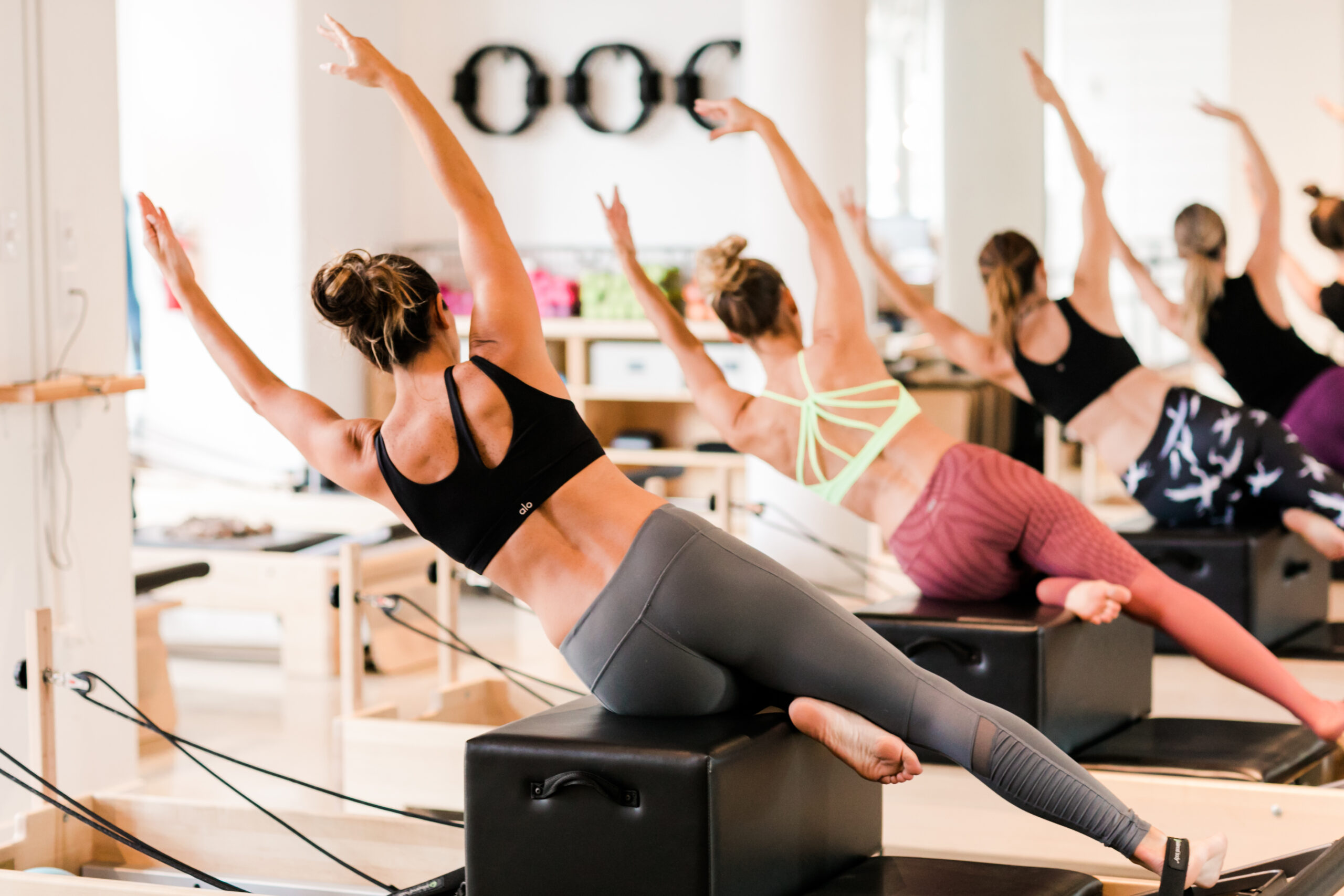
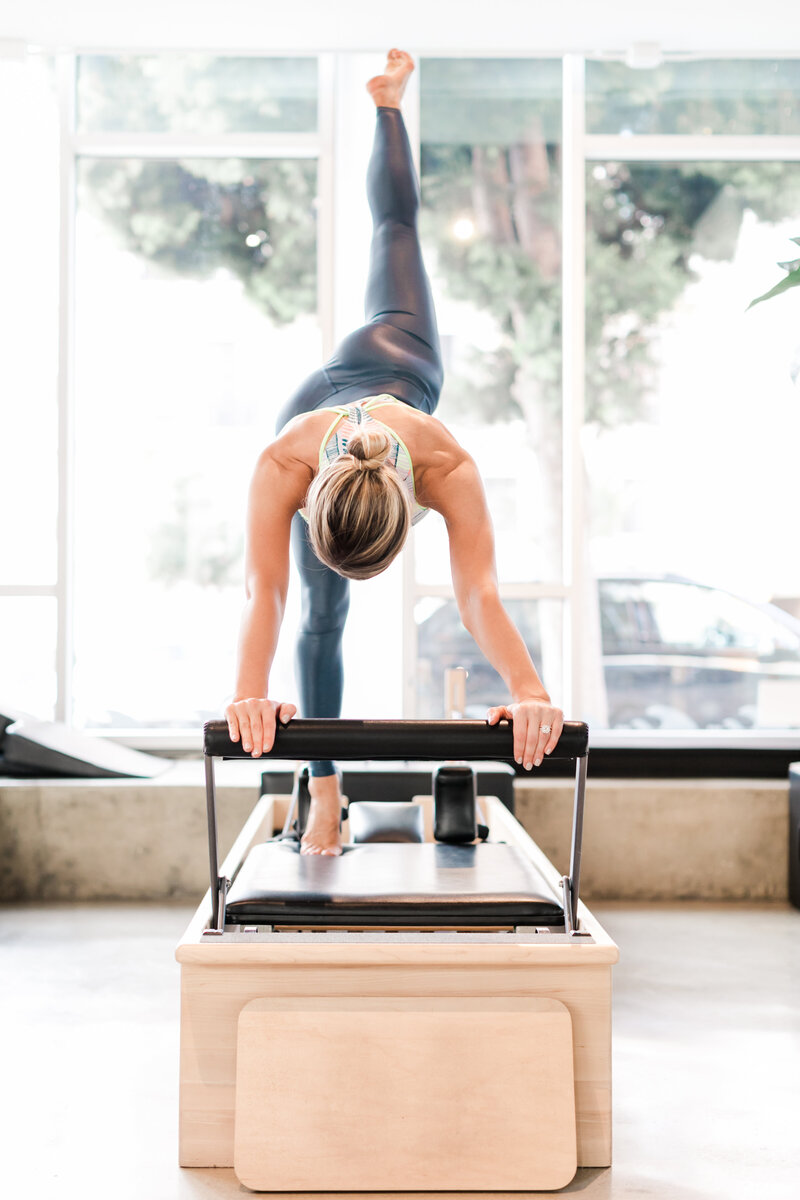
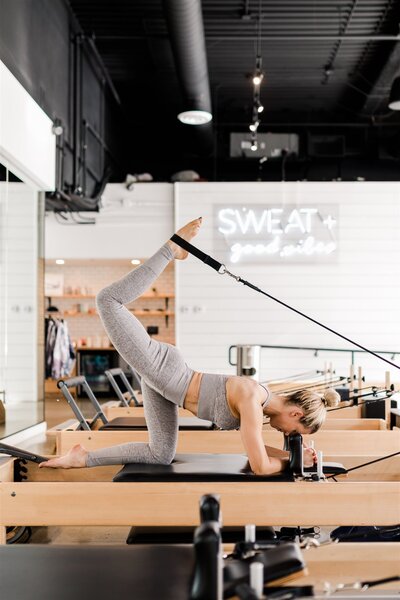
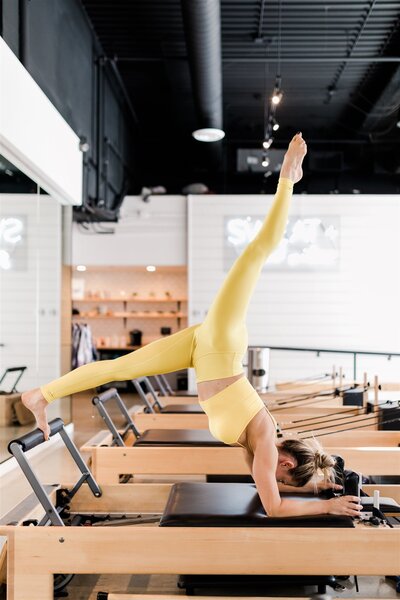
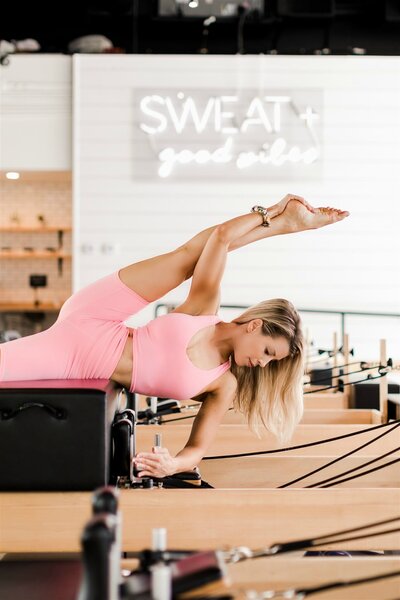
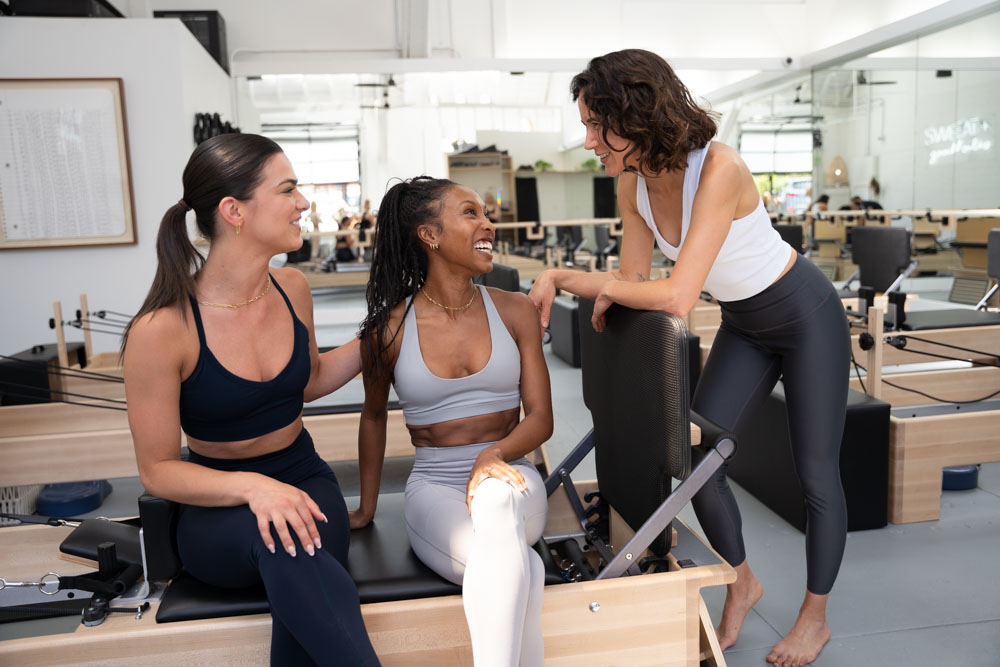
Choose Your Format: Pilates comes in two main varieties—mat Pilates and reformer Pilates. Mat classes use your body weight and minimal props (like resistance bands or small balls). Reformer classes use a specialized machine with springs that provide adjustable resistance.
For beginners, either format works. Mat Pilates is more accessible and affordable, making it easier to practice at home. Reformer Pilates provides feedback from the equipment that helps you learn proper form. Many people find starting with a few reformer classes, then supplementing with mat practice at home, gives them the best foundation.
Find Quality Instruction: Not all Pilates instruction is created equal. Look for certified instructors (certifications from organizations like BASI, STOTT, or Balanced Body indicate comprehensive training). A good instructor will assess your body, offer modifications, and correct your form—this matters more than the studio aesthetic.
Start with Beginner Classes: Don’t jump into intermediate or advanced classes before you’re ready. Pilates has a learning curve, and proper form is everything. Beginner classes teach foundational movements and principles that you’ll use throughout your entire practice.
Invest in Basic Equipment: For home practice, you need minimal investment. A quality mat with adequate cushioning ($20-40), comfortable fitted clothing, and optional props like a resistance band or small ball. That’s it.
Commit to Consistency: Two to three sessions per week will create noticeable change within 4-6 weeks. Once a week maintains what you have; three times per week actively builds strength and flexibility. Choose a schedule you can sustain—consistency beats intensity every time.
The Six Principles of Pilates
Understanding these principles helps you get more from every session:
Concentration: Every movement requires your full attention. This mind-body connection is what makes Pilates effective—you’re training your nervous system, not just your muscles.
Control: Movements are deliberate and precise. There’s no momentum or bouncing. You control the entire range of motion, which builds genuine strength and reduces injury risk.
Centering: Everything initiates from your core—your “powerhouse” in Pilates terminology. This means your deep abdominals, back, and pelvic floor engage before your limbs move.
Precision: Quality over quantity always. Five perfectly executed movements create more change than twenty sloppy ones. Focus on executing each exercise exactly as instructed.
Breath: Breathing coordinates with movement in Pilates. Proper breathing maintains core engagement, provides rhythm, and helps you move more efficiently. You’ll learn lateral thoracic breathing that keeps your core connected.
Flow: Exercises transition smoothly from one to the next. This creates a moving meditation quality and trains your body to maintain control through dynamic movement.
Mat Pilates vs. Reformer Pilates for Beginners
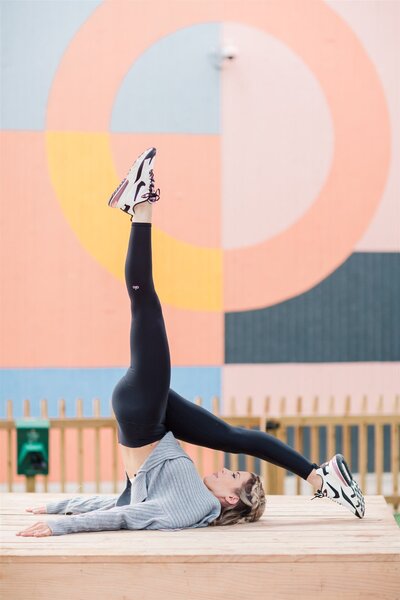
Mat Pilates uses your body weight as resistance. It’s convenient for home practice, requires minimal equipment, and builds serious core strength. The challenge with mat work is that some exercises are quite difficult for beginners because you’re working against gravity with no assistance. However, modifications make every exercise accessible.
Reformer Pilates uses a carriage that slides on springs. The springs provide both resistance and assistance depending on the exercise, which makes some movements more accessible for beginners while adding challenge to others. The reformer gives you tactile feedback—you feel immediately when you’re not stable or engaged. This accelerates learning.
Both formats are valuable. If you can only choose one, consider your goals: Mat Pilates is more affordable and portable; reformer Pilates offers more variety and equipment feedback.
Your First Month: What to Expect
Week 1: Everything feels new and maybe awkward. You’re learning terminology, figuring out breathing patterns, and discovering muscles you didn’t know existed. This is completely normal. Focus on showing up and following basic cues.
Week 2: Movements start feeling more familiar. You might be sore in unexpected places (hello, deep core). Your body is adapting to this new movement pattern. Keep your commitment to your schedule.
Week 3: You’ll notice improved body awareness. You might catch yourself engaging your core while sitting at your desk or standing taller without thinking about it. The neuromuscular connections are forming.
Week 4: Real strength gains begin. Exercises that felt impossible in week one become doable. You understand the breath patterns and principles better. This is when people typically get hooked on Pilates.
Common Beginner Mistakes (And How to Avoid Them)
Holding Your Breath: Breathing is half of Pilates. If you’re holding your breath, you’re creating tension and limiting your effectiveness. Keep breathing steadily and rhythmically.
Rushing Through Movements: Pilates is not about speed. Slow, controlled movements with proper form build more strength than fast, sloppy ones.
Comparing Yourself to Others: Everyone’s body is different. The person next to you might have more flexibility but less core strength. Focus on your own practice and progress.
Skipping Modifications: Using modifications isn’t cheating—it’s intelligent training that keeps you safe while building the foundation for more advanced work.
Neglecting the Warm-Up: Your body needs time to prepare for movement. Those initial exercises aren’t filler—they’re essential for injury prevention and optimal performance.
Building Your Pilates Routine
For optimal results, aim for 2-3 Pilates sessions per week, supplemented with other activities you enjoy. Here’s a sample beginner week:
Monday: 45-minute beginner Pilates class (mat or reformer)
Tuesday: Active recovery—walking, gentle stretching, or rest
Wednesday: 30-minute Pilates home practice focusing on fundamentals
Thursday: Cross-training activity you enjoy (swimming, cycling, yoga)
Friday: 45-minute Pilates class working on progression
Saturday: Active day—hiking, recreational sports, or longer walk
Sunday: Rest and recovery
This balances Pilates with variety, recovery, and activities that support your overall fitness.
Essential Pilates Exercises for Beginners
These foundational exercises appear in nearly every Pilates session:
The Hundred: Core endurance builder that teaches breath coordination
Roll-Up: Spinal articulation and core strength (often modified for beginners)
Single Leg Stretch: Core stability while limbs move independently
Bridge: Glute and hamstring strength with spinal articulation
Spine Stretch Forward: Flexibility and spinal mobility
Side-Lying Leg Series: Hip strength and stability
Plank: Full-body integration and core endurance
Your instructor will teach proper form and offer modifications that work for your current ability level.
Making Pilates Work for Your Life
Set Realistic Goals: Define what you want from Pilates. Better posture? Reduced back pain? Increased flexibility? Stress relief? Clear goals keep you motivated.
Track Your Progress: Notice how exercises that challenged you initially become easier. Pay attention to improvements in daily life—picking things up, playing with kids, sitting at your desk comfortably.
Listen to Your Body: Some muscle fatigue and challenge is good. Sharp pain or discomfort that lingers is not. Communicate with your instructor and modify as needed.
Be Patient with Yourself: Meaningful change takes time. You didn’t develop your current movement patterns overnight, and you won’t reverse them immediately. Celebrate small wins.
Stay Curious: Pilates has depth that reveals itself over time. Even advanced practitioners continue discovering new layers of understanding. Embrace the learning process.
The Bottom Line
Pilates offers a sustainable, intelligent approach to fitness that works for bodies of all types and fitness levels. It’s not about looking a certain way—it’s about moving well, feeling strong, and maintaining those benefits for decades.
Starting something new always feels uncertain. But thousands of people begin Pilates every day, and most wonder why they didn’t start sooner. The method has lasted a century because it delivers results: stronger cores, better movement, reduced pain, and increased body awareness.
Your Pilates journey starts with a single class. Find a qualified instructor, show up with an open mind, and give yourself permission to be a beginner. Six months from now, you’ll be amazed at what your body can do.
The practice is waiting for you. All you have to do is begin.