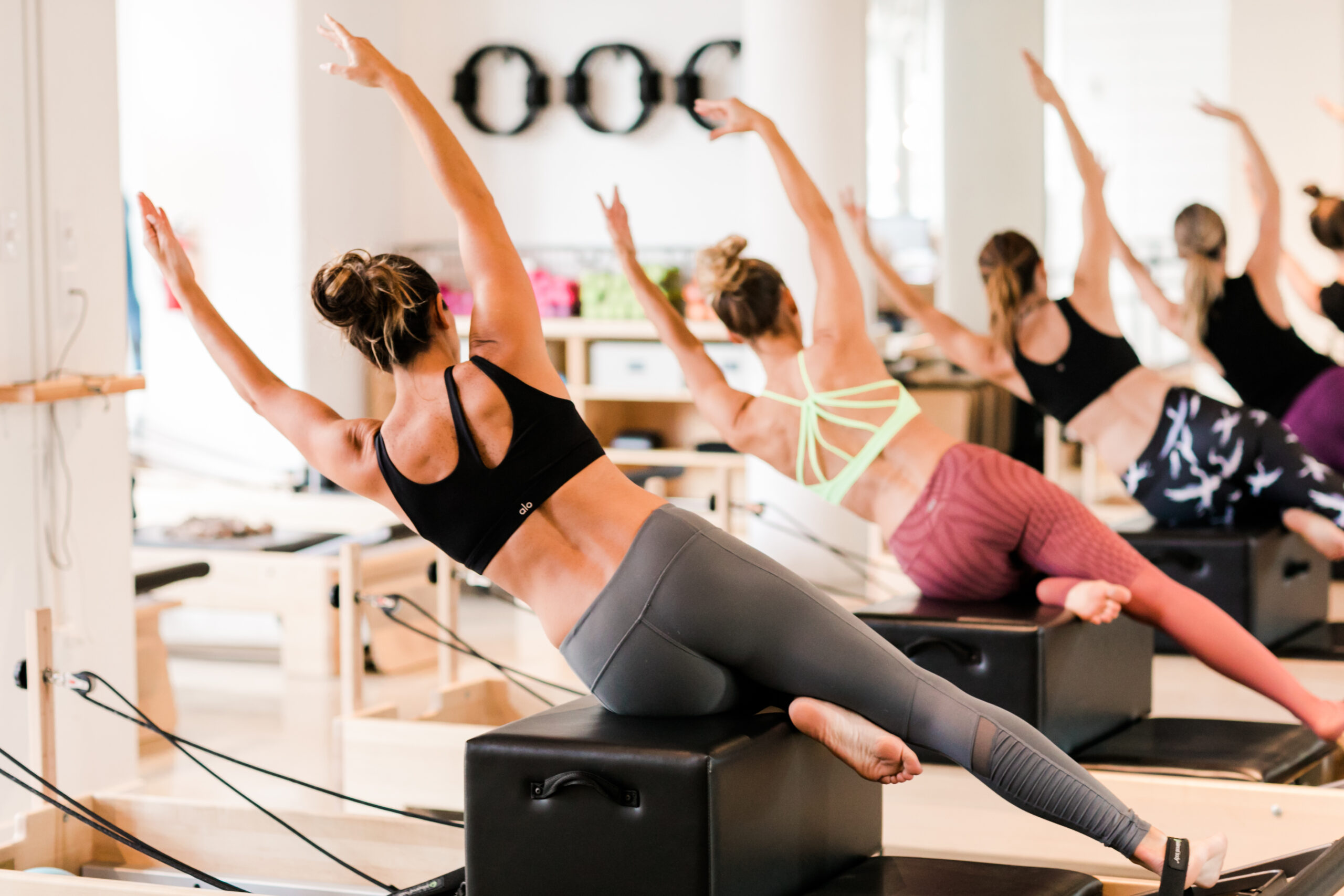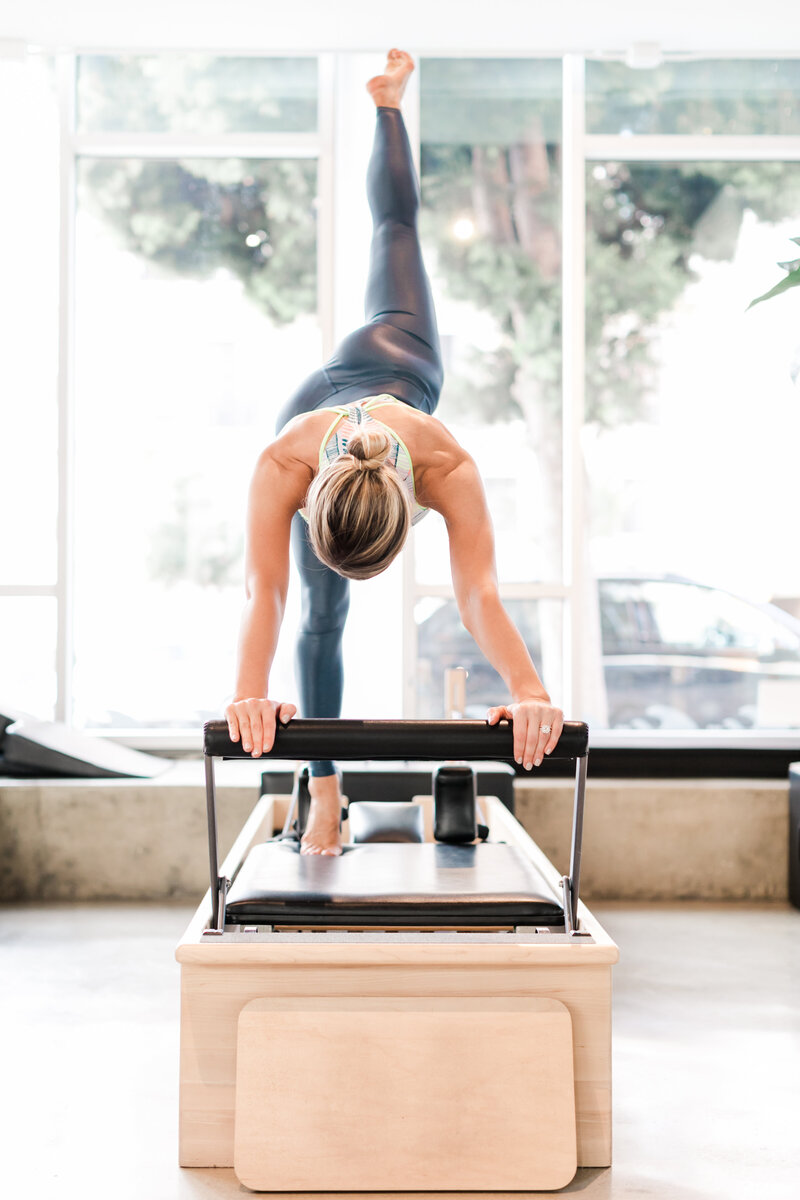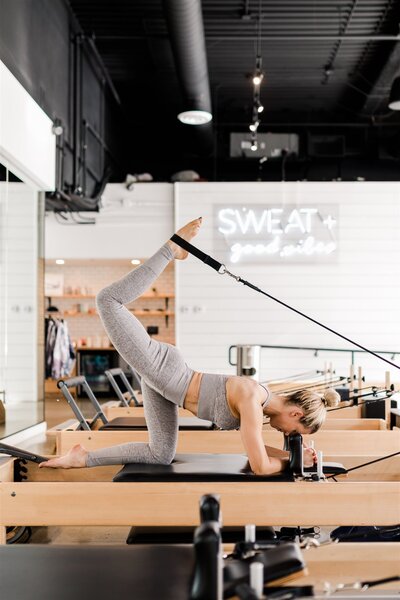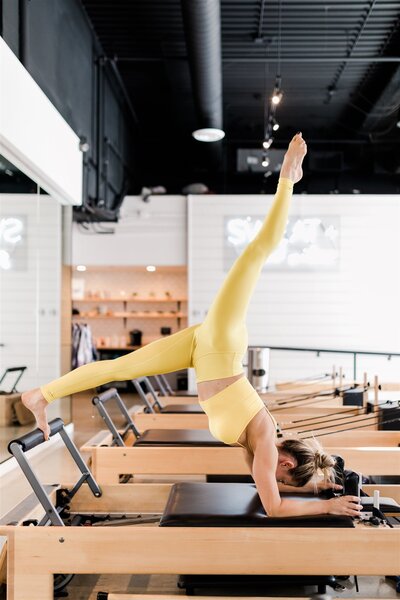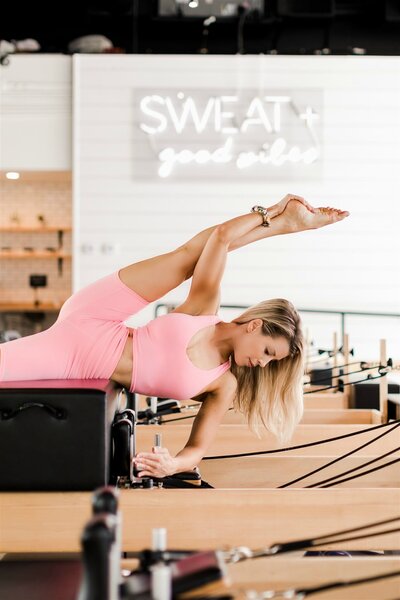



If you’re lying awake at 2 AM scrolling through your phone, you’re not alone. Sleep deprivation has become so normalized that we treat exhaustion as a personality trait rather than a health crisis. But poor sleep isn’t just about feeling tired—it affects everything from your immune function to your decision-making to your ability to regulate emotions. Before you resign yourself to another mediocre night’s rest, consider this: the same practice that’s strengthening your core and improving your posture might be the key to finally sleeping well.
The Sleep Crisis Nobody Wants to Talk About
Let’s establish what we’re dealing with. According to the CDC, one in three adults doesn’t get enough sleep. That’s not a few people with clinical insomnia—that’s a third of the population chronically under-rested. And the consequences are measurable and serious.
What Sleep Deprivation Actually Does
Physical Health Impacts:
- Weakened immune response: Sleep is when your body produces cytokines, proteins that fight infection and inflammation. Chronic sleep loss means you’re more susceptible to everything from colds to chronic disease.
- Metabolic dysfunction: Sleep deprivation disrupts leptin and ghrelin, the hormones that regulate hunger and fullness. This is why you crave junk food when you’re tired—it’s not willpower; it’s biology.
- Cardiovascular stress: Insufficient sleep increases blood pressure and inflammation, both risk factors for heart disease and stroke.
- Insulin resistance: Poor sleep affects how your body processes glucose, increasing diabetes risk.
- Chronic pain amplification: Sleep deprivation lowers your pain threshold, making existing pain conditions worse.
Mental and Cognitive Effects:
- Mood dysregulation: Sleep loss affects the amygdala (your emotional processing center) and prefrontal cortex (your rational decision-making center), making you more reactive and less able to manage emotions.
- Impaired memory consolidation: Your brain processes and stores information during sleep. Without adequate rest, learning and memory suffer.
- Reduced executive function: Decision-making, problem-solving, and impulse control all decline with sleep deprivation.
- Increased anxiety and depression risk: Chronic sleep problems are both a symptom and a cause of mood disorders.
The point isn’t to make you panic about your sleep—it’s to establish that this matters. Sleep isn’t a luxury or a sign of laziness. It’s a biological necessity.
Why Exercise Helps (And Why Pilates Specifically)
The relationship between exercise and sleep is well-established. Regular physical activity helps you fall asleep faster, achieve deeper sleep, and wake feeling more refreshed. But not all exercise affects sleep equally, and timing matters.
The Problem With High-Intensity Evening Exercise
Intense workouts elevate cortisol, increase core body temperature, and activate your sympathetic nervous system—all things that make falling asleep harder. If you’re doing HIIT or heavy lifting at 7 PM and then wondering why you can’t wind down by 10 PM, this is why.
Why Pilates Works for Sleep
Pilates offers the benefits of exercise without the sleep-disrupting effects of high-intensity training:
Nervous System Regulation: Pilates activates your parasympathetic nervous system—the “rest and digest” mode. The controlled breathing, mindful movement, and lack of aggressive intensity signal to your body that it’s safe to relax.
Stress Reduction: Elevated cortisol is one of the primary sleep disruptors in modern life. Pilates reduces cortisol through movement that’s challenging but not overwhelming, combined with breath work that directly calms your nervous system.
Physical Tension Release: We hold stress in our bodies—tight shoulders, clenched jaws, tense hips. Pilates systematically releases this tension through controlled stretching and strengthening, which translates to easier physical relaxation at bedtime.
Mental Focus Without Mental Stimulation: Unlike scrolling social media or watching intense TV, Pilates gives your mind something to focus on (your movement and breath) without overstimulating it. This focused attention is meditative without requiring you to sit still and “clear your mind.”
Pain Reduction: If chronic pain is disrupting your sleep, Pilates addresses this through improved core strength, better posture, and balanced muscle development. Less pain means better sleep.
The Science of Pilates and Sleep Quality
Research on mind-body exercises like Pilates shows measurable improvements in sleep quality:
A 2020 study found that participants who practiced Pilates three times per week for eight weeks showed significant improvements in sleep quality, falling asleep faster and experiencing fewer nighttime awakenings.
Another study on middle-aged women found that regular Pilates practice improved both sleep quality and reduced symptoms of depression and anxiety—suggesting the benefits work through multiple pathways.
The mechanisms are physiological: Pilates improves sleep by reducing inflammation, regulating circadian rhythms through physical activity, and decreasing the rumination and anxiety that often keep people awake.
When to Practice Pilates for Optimal Sleep
Timing your practice matters:
Morning Pilates (6-9 AM): Helps regulate your circadian rhythm, giving you energy for the day and setting you up for better sleep at night. Exposure to light during morning exercise enhances this effect.
Afternoon Pilates (3-5 PM): Body temperature naturally dips in early afternoon, making you feel sluggish. Afternoon exercise provides an energy boost and, by evening, your body temperature drops again—which signals sleep time.
Early Evening Pilates (5-7 PM): Still beneficial for sleep if you finish at least 2-3 hours before bedtime, giving your body time to cool down and transition to rest mode.
Avoid: Intense Pilates practice within 2 hours of bedtime. While Pilates is generally lower-intensity than other workouts, a challenging session right before bed can still be too stimulating for some people.
Specific Pilates Exercises for Better Sleep
Not all Pilates exercises affect sleep equally. These movements are particularly effective for promoting relaxation and better rest:
Gentle Spinal Articulation (Evening Practice)
Cat-Cow and Pelvic Curls: These gentle movements mobilize your spine, release back tension, and activate your parasympathetic nervous system through slow, mindful movement coordinated with breath.
Restorative Hip Openers
Figure-Four Stretch and Modified Pigeon: Hip tension is incredibly common and can disrupt sleep comfort. Gentle hip opening before bed releases this stored tension.
Breathing Exercises
Lateral Thoracic Breathing: Practice the Pilates breathing pattern (ribcage expanding sideways) while lying down. This activates your vagus nerve, which signals your body to relax. Inhale for 4 counts, exhale for 6-8 counts—the longer exhale is key for relaxation.
Gentle Twists
Spine Twist or Supine Spinal Twist: Gentle rotation releases tension along your spine and massages internal organs, promoting relaxation.
Legs Up the Wall (Modified Pilates Position)
While technically from yoga, this position aligns with Pilates principles. It promotes venous return, reduces leg swelling, and activates your parasympathetic nervous system. Hold for 5-10 minutes before bed.
Beyond Exercise: Sleep Hygiene That Actually Works
Pilates helps, but it’s not magic. Combine your practice with evidence-based sleep hygiene:
Create an Actual Sleep Environment
Temperature: Your bedroom should be cool (65-68°F). Your body temperature needs to drop to initiate sleep, and a warm room prevents this.
Darkness: Blackout curtains or a sleep mask. Even small amounts of light can disrupt melatonin production.
Noise: White noise machines or earplugs if you’re in a noisy environment. Sudden sounds, not constant background noise, disrupt sleep.
Comfort: A quality mattress and pillows aren’t luxuries if poor sleep is affecting your health and productivity. Calculate the cost per night of use—suddenly that investment looks different.
Regulate Your Schedule
Consistent Sleep and Wake Times: Yes, even on weekends. Your circadian rhythm doesn’t recognize Saturday. Consistency is more important than total hours for regulating your internal clock.
Morning Light Exposure: Get outside within 30 minutes of waking. Natural light exposure in the morning helps regulate melatonin production at night.
Evening Light Management: Dim lights after 8 PM. Use blue light filters on devices or, better yet, avoid screens for the last hour before bed.
Manage Pre-Sleep Inputs
Caffeine Cutoff: No caffeine after 2 PM. Caffeine has a half-life of 5-6 hours, meaning half the amount you consumed at 2 PM is still in your system at 8 PM.
Alcohol Reality Check: Yes, alcohol makes you feel sleepy initially, but it disrupts sleep architecture, preventing deep sleep and REM sleep. You’ll wake frequently and feel unrested.
Heavy Meals: Finish eating 2-3 hours before bed. Your body shouldn’t be working to digest a large meal while trying to sleep.
Strategic Snacks: If you’re genuinely hungry before bed, a small snack with protein and complex carbs (like Greek yogurt or a banana with nut butter) won’t disrupt sleep.
Address Stress and Rumination
Brain Dump: Spend 10 minutes before bed writing down tomorrow’s tasks, concerns, or thoughts circling your mind. This externalization often reduces nighttime rumination.
Relaxation Techniques: Progressive muscle relaxation, where you systematically tense and release muscle groups, pairs well with your Pilates practice and is proven to improve sleep onset.
Meditation or Mindfulness: Even 5-10 minutes of guided meditation can help transition your nervous system toward sleep mode.
Therapy: If anxiety or depression is disrupting your sleep, these are medical issues that deserve professional treatment. Cognitive Behavioral Therapy for Insomnia (CBT-I) is highly effective.
What Doesn’t Work (Stop Wasting Your Time)
Sleeping In on Weekends: This creates social jet lag, making Monday morning harder and disrupting your rhythm all week.
Exercising Super Hard to “Tire Yourself Out”: Exhaustion and relaxation aren’t the same. Intense evening exercise can backfire.
Using Alcohol as a Sleep Aid: You’ll fall asleep but wake up multiple times and feel terrible in the morning.
Relying on Sleep Supplements Without Addressing Root Causes: Melatonin can help with circadian rhythm issues (jet lag, shift work), but it won’t fix poor sleep hygiene or untreated sleep disorders.
When Sleep Problems Require Professional Help
If you’ve addressed sleep hygiene, exercise regularly, manage stress, and still struggle with sleep, consider seeing a healthcare provider. You might have:
Sleep Apnea: Characterized by snoring, gasping during sleep, or extreme daytime fatigue despite “adequate” sleep hours.
Restless Leg Syndrome: Uncomfortable sensations in your legs that create an irresistible urge to move them, particularly at night.
Chronic Insomnia: Difficulty falling or staying asleep at least 3 nights per week for 3+ months, despite adequate opportunity for sleep.
Circadian Rhythm Disorders: Your internal clock is misaligned with your required schedule (common in shift workers or extreme night owls).
These conditions are medical issues with effective treatments. Pushing through chronic sleep problems isn’t noble—it’s neglecting your health.
The Realistic Timeline for Improvement
If you start a consistent Pilates practice combined with improved sleep hygiene, here’s what to expect:
Week 1-2: You might not notice dramatic changes yet. Your body is adjusting to new movement patterns and routines.
Week 3-4: You’ll likely start falling asleep more easily and experiencing fewer nighttime awakenings. Subjective sleep quality improves.
Month 2-3: More consistent improvements in sleep duration, depth, and how you feel upon waking. This is when the cumulative effects become clear.
3+ Months: Sustainable improvements become your new normal. Your body has adapted to regular movement, your nervous system regulation improves, and sleep quality stabilizes.
Don’t expect overnight transformation. Sleep improvement, like any health change, requires consistency over time.
The Bottom Line
Sleep is non-negotiable for health, and Pilates offers a uniquely effective approach to improving it. Through nervous system regulation, stress reduction, physical tension release, and pain management, regular Pilates practice addresses multiple pathways that affect sleep quality.
Combined with evidence-based sleep hygiene—consistent schedules, proper sleep environment, light management, and stress reduction—you’re addressing sleep from both the movement and lifestyle angles.
Your body is designed to sleep well. Modern life has just made that harder. Pilates helps you reclaim what should be natural: restful, restorative sleep that lets you function optimally during your waking hours.
Start with three Pilates sessions per week, implement two or three sleep hygiene changes, and give it a month. Your 2 AM scrolling habit might just become a thing of the past.If you’re lying awake at 2 AM scrolling through your phone, you’re not alone. Sleep deprivation has become so normalized that we treat exhaustion as a personality trait rather than a health crisis. But poor sleep isn’t just about feeling tired—it affects everything from your immune function to your decision-making to your ability to regulate emotions. Before you resign yourself to another mediocre night’s rest, consider this: the same practice that’s strengthening your core and improving your posture might be the key to finally sleeping well.