

Let’s talk about why your muscles are staging a protest 24 hours after your first Pilates class. Spoiler: It’s not because you’re out of shape. It’s because Pilates is doing something fundamentally different to your body than most workouts—and the science behind it is actually fascinating.
The Eccentric Contraction Game-Changer
Here’s what most people don’t know: Pilates is basically a masterclass in eccentric contractions. That’s when your muscle lengthens while under tension—think lowering yourself down slowly from a push-up rather than just popping back up.
Why does this matter? Eccentric contractions create more microtrauma in muscle fibers than concentric (shortening) contractions. I know, “microtrauma” sounds alarming, but this is actually the good stuff. It’s how muscles rebuild stronger and denser. This is also why you’re googling “can’t sit down after Pilates” the next day. You’re welcome.
Your Nervous System Is Getting an Upgrade
But Pilates isn’t just about muscles getting longer or stronger—though yes, both happen. The real magic is happening in your nervous system. Every time you’re trying to hold that plank while simultaneously extending one leg and the opposite arm (and not face-plant), your brain is forming new neural pathways.
This is called neuromuscular re-education, which is a fancy way of saying your brain and muscles are learning to communicate better. Studies show that motor control improvements can happen in as little as 4-6 weeks of consistent practice. That mind-body connection everyone talks about? It’s not mystical—it’s your nervous system literally getting better at its job.
The Fascia Factor
Let’s talk fascia for a second. This is the connective tissue that wraps around every muscle, bone, and organ in your body like a three-dimensional spider web. For decades, we mostly ignored it. Now we know it’s packed with mechanoreceptors—sensory neurons that respond to mechanical pressure and movement.
Pilates, with all its controlled lengthening and dynamic stretching, is essentially a fascia facial. The slow, deliberate movements help maintain fascial elasticity and hydration. This is why regular Pilates practitioners often report feeling more “fluid” in their movement. You’re not imagining it—your fascia is literally more pliable.
Core Stability Vs. Core Strength (They’re Not the Same)
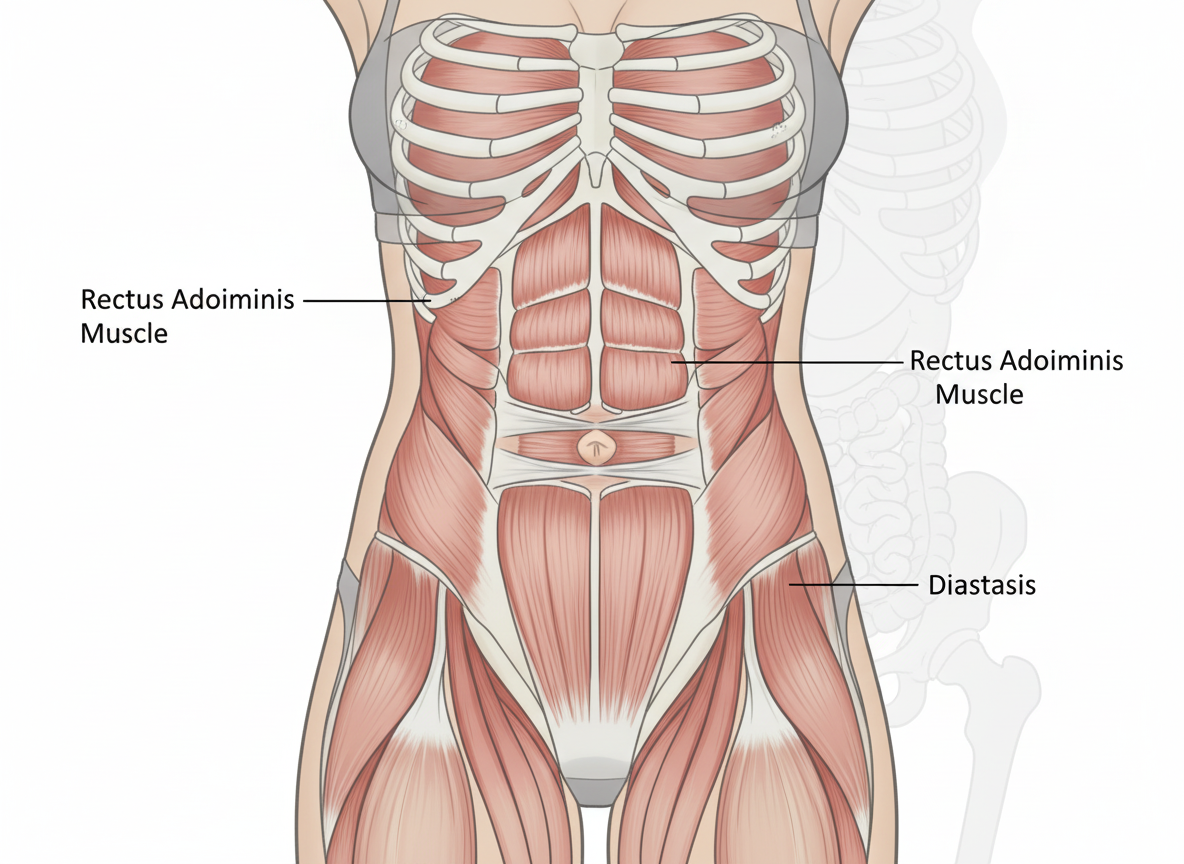
Here’s where Pilates separates itself from crunches-until-you-cry workouts: It prioritizes stability over isolated strength. Your transverse abdominis—the deepest abdominal layer—acts like a corset that stabilizes your spine. Pilates trains this muscle to engage before movement happens, which is exactly how it functions in real life.
Research published in the Journal of Orthopedic & Sports Physical Therapy found that people with lower back pain often have delayed activation of their transverse abdominis. Pilates directly addresses this by teaching anticipatory core engagement. That “pull your navel to your spine” cue? It’s literally reprogramming when and how your deep core fires.
Proprioception: Your Secret Superpower
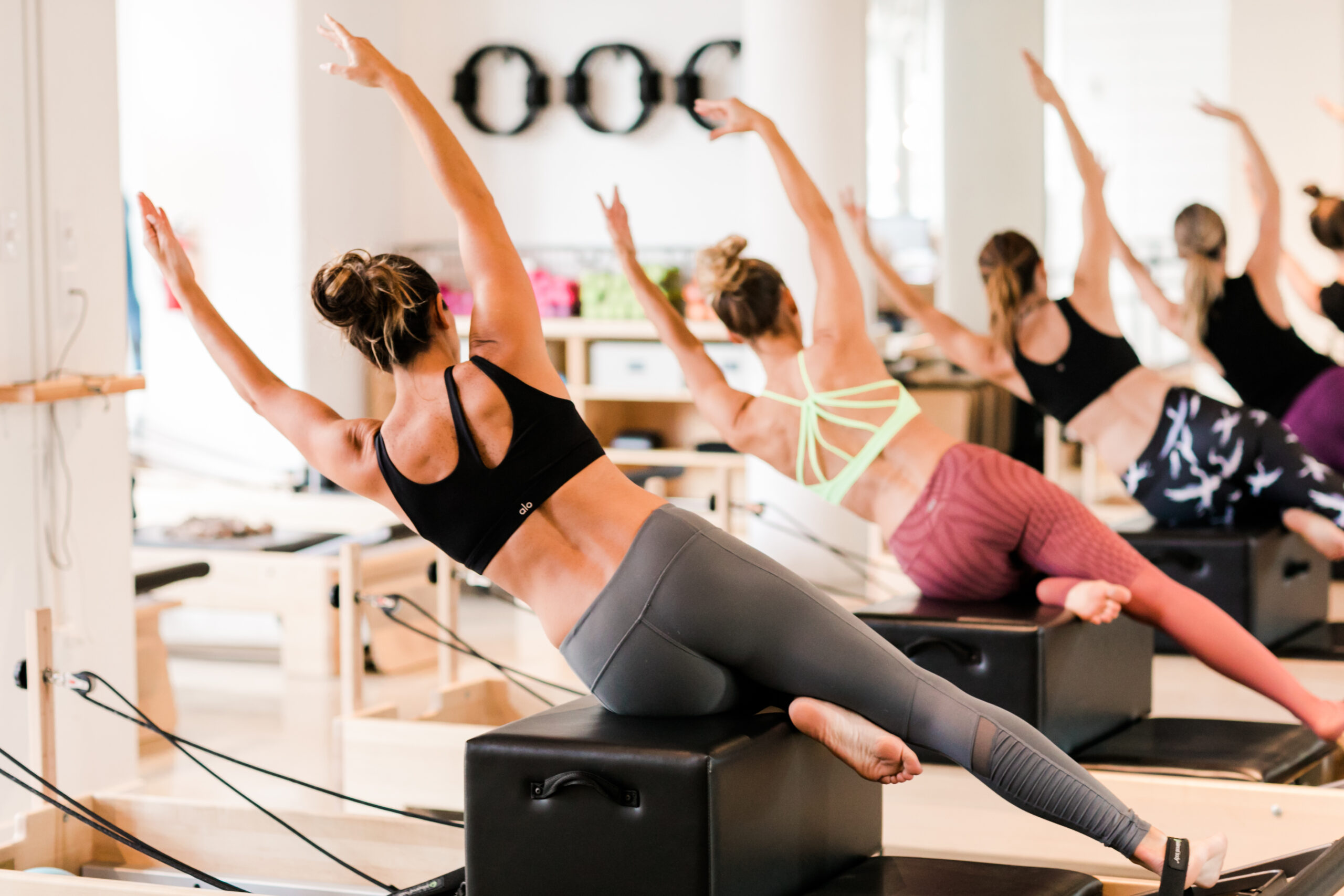
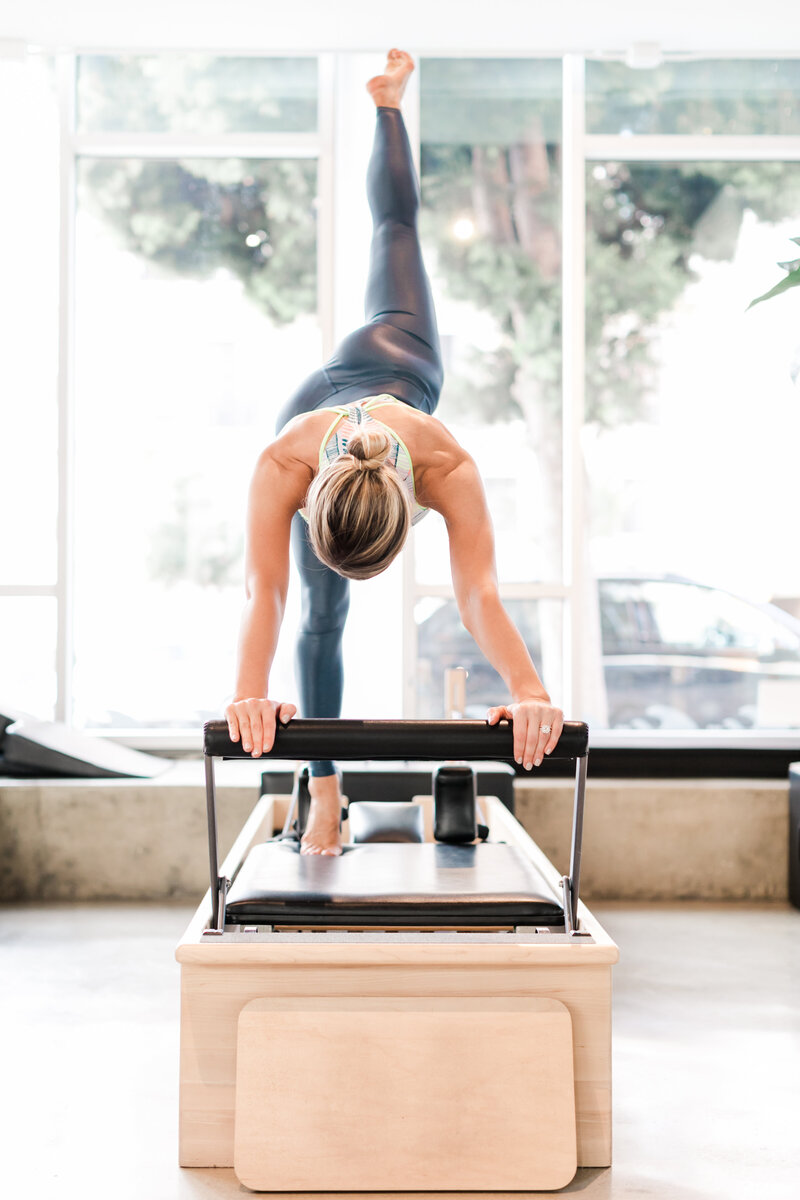
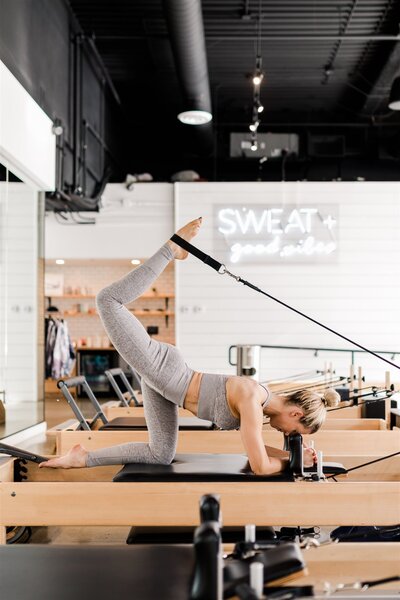
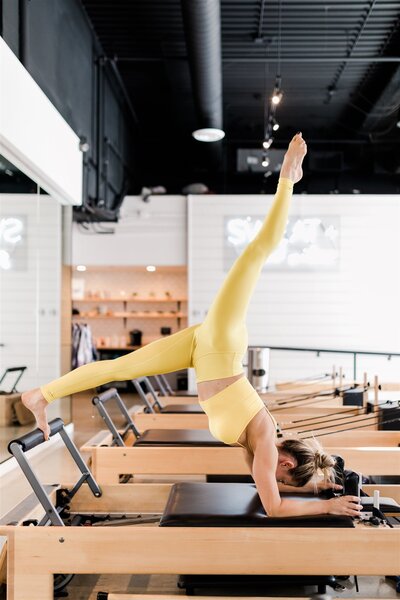
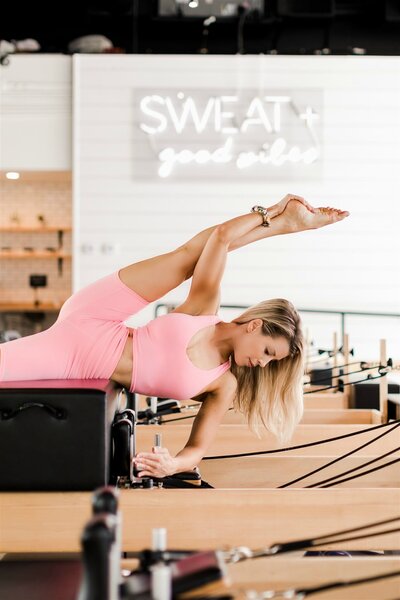
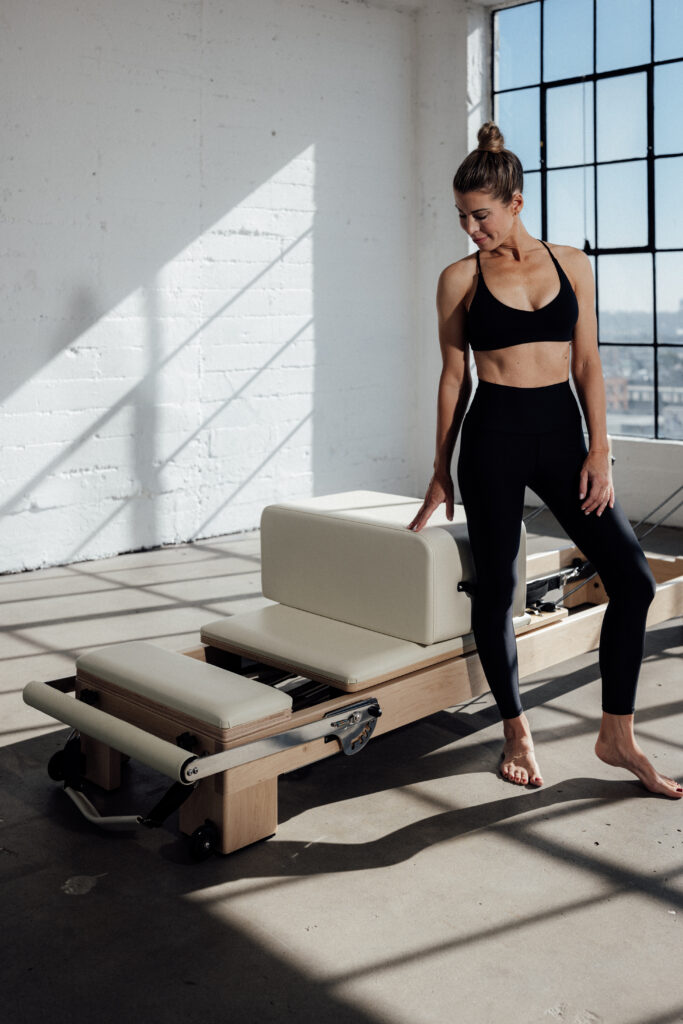
Proprioception is your body’s ability to know where it is in space without looking. It’s why you can touch your nose with your eyes closed (try it, it’s weirdly satisfying). Pilates equipment, especially the reformer with its unstable carriage and spring resistance, is designed to challenge your proprioception constantly.
Every wobble, every adjustment, every moment you’re trying not to let that carriage slam back—that’s your proprioceptive system getting a workout. This has real-world applications: Better proprioception means better balance, reduced injury risk, and more efficient movement patterns. It’s why athletes from NBA players to ballet dancers swear by Pilates.
The Breathing Thing Isn’t Woo-Woo
Yes, we’re going to talk about breathing. I know it feels precious to focus so intently on something you do 20,000 times a day anyway, but hear me out. Pilates uses lateral thoracic breathing—expanding your ribcage sideways rather than letting your belly pooch out.
This technique does two things: It keeps your core engaged throughout the movement, and it promotes better oxygen exchange in your lungs. Studies show that proper breathing patterns can reduce blood pressure, lower cortisol levels, and improve parasympathetic nervous system function. So when your instructor is being annoyingly specific about your exhale, there’s actual physiology backing it up.
Why You’ll Feel It Tomorrow
Back to that delayed onset muscle soreness (DOMS). Because Pilates emphasizes control and time under tension, you’re recruiting muscle fibers you probably don’t use in your regular gym routine. Your type I slow-twitch fibers are getting a serious workout, along with all those stabilizing muscles that usually just coast along while the big movers do their thing.
The eccentric emphasis, the constant core engagement, the proprioceptive challenges—it all adds up to your body essentially saying, “Wait, what just happened?” The soreness is your tissues adapting, getting stronger, and yes, building that coveted “functional strength” everyone talks about.
The Bottom Line
Pilates works because it addresses movement quality, not just quantity. It’s not about how many reps you can bang out—it’s about how precisely you can control your body through space. The science supports what Joseph Pilates understood intuitively a century ago: Sustainable strength comes from the inside out, starting with how well your brain can coordinate all your moving parts.
So the next time you’re shaking in a plank or cursing through a teaser, remember: Your muscles, fascia, nervous system, and proprioceptive abilities are all getting upgraded simultaneously. That’s not just a workout—that’s a whole-body software update.
And yes, you’re still going to be sore tomorrow. But now you know why.